Why a Rebel Crusher Is Ideal for Contractors Working Across Multiple Jobsites
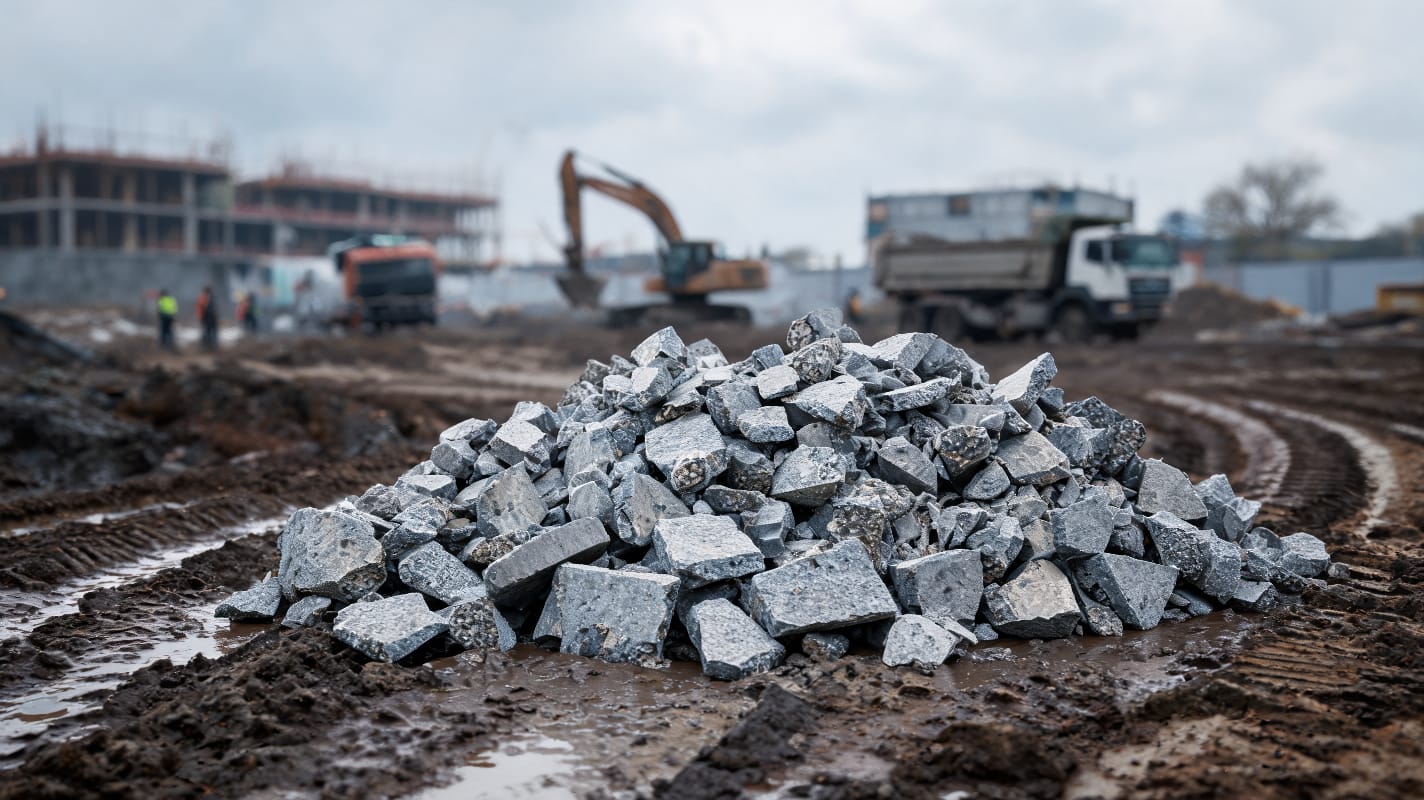
Contractors who move from one project to another need equipment that is productive, portable, and practical. Whether the work involves demolition, site preparation, road repair, driveway replacement, excavation, or recycling, material handling can quickly become one of the biggest challenges. A Rebel crusher gives contractors a flexible way to crush rock, concrete, asphalt, brick, and other hard materials directly at the jobsite, helping crews reduce hauling, save time, and keep projects moving.
For companies managing several projects in different locations, equipment mobility matters. A machine that works well on one site but is difficult to transport or set up may create more problems than it solves. That is why Rebel Crusher for contractors is a valuable topic for businesses that need crushing power without being tied to one location. A portable crushing solution can help contractors control costs and improve efficiency across multiple jobsites.
The Challenge of Working Across Multiple Jobsites
Many contractors do not work in one fixed location. Their crews may handle a demolition project on Monday, a driveway removal later in the week, and a site preparation job the following month. Each jobsite has different space limits, materials, access points, schedules, and customer expectations.
This creates logistical pressure. Contractors must decide how to remove debris, where to send it, how much hauling will cost, and how quickly replacement material can be delivered. When every project has different needs, relying only on outside suppliers or disposal sites can slow down progress.
A crusher that can move with the contractor helps solve that problem. Instead of treating every pile of concrete, asphalt, or rock as waste, crews can process suitable material where the work is happening.
Portability Supports Faster Project Transitions
One of the main reasons contractors choose a portable rock crusher is the ability to move crushing capability from site to site. When equipment is easier to transport, contractors can use it more often and across more types of work.
This is especially important for small and mid-sized companies. They may not have enough material at a single location to justify a large stationary crushing setup, but they may have enough work across several jobsites to make mobile crushing worthwhile. A portable machine allows them to bring the crusher to the material instead of transporting all the material to a fixed processing location.
That can make project transitions smoother. When a job is finished, the contractor can move the crusher to the next site and continue producing usable material where it is needed.
Reducing Hauling Between Jobsites
Hauling is one of the most expensive parts of construction material management. Broken concrete, asphalt, brick, and rock are heavy. Moving them requires trucks, labor, fuel, time, and often disposal fees. If new aggregate is needed, contractors may also pay for delivery from a supplier.
For contractors working across multiple locations, these costs can add up quickly. A Rebel Crusher helps reduce the need to haul debris away by processing material on site. Crushed material may then be reused for base, backfill, temporary roads, driveways, parking areas, or other applications when project specifications allow.
This is where jobsite material recycling becomes especially valuable. Instead of removing useful material from one location and buying replacement aggregate for another, contractors can recycle material directly at the project site and put it back to work.
Useful for Different Types of Construction Projects
Contractors who work across multiple jobsites often need equipment that can support a range of applications. A machine that only works for one material or one type of project may not be used often enough to justify the investment.
A Rebel Crusher can be useful for many types of construction work, including demolition, excavation, road repair, driveway replacement, parking lot construction, utility work, landscaping, and site preparation. This flexibility helps contractors get more value from one piece of equipment.
For example, a demolition contractor may use the crusher to process concrete and brick from a building removal. A paving contractor may use it to recycle asphalt from a parking lot. A site prep contractor may use it to crush rock or concrete for access roads or base material. Because the same machine can support different work, it becomes more useful across a contractor’s full project schedule.
Better Control Over Project Schedules
Scheduling is a major concern when crews are spread across several jobsites. Delays in one location can affect the next project. Waiting for material deliveries, dump trucks, or outside crushing services can throw off the entire schedule.
Owning or using multiple jobsite crushing equipment gives contractors more control. They can process material when the crew is ready instead of waiting for another company’s availability. This can be especially helpful during busy construction seasons when haulers, aggregate suppliers, and subcontractors may be booked out.
Better control also helps contractors respond to unexpected conditions. If a crew uncovers more concrete, asphalt, or rock than expected, they have a way to process it instead of stopping work while they arrange disposal or hauling.
Mobile Crushing for Tight or Changing Sites
Not every jobsite has ideal access. Urban projects may have limited space for trucks. Residential jobs may have narrow driveways. Commercial sites may need crews to work around traffic, customers, or other trades. Rural projects may be far from disposal sites or aggregate suppliers.
A mobile concrete crusher can be especially useful in these situations because it brings crushing capability closer to the material. Contractors can reduce the number of truck trips and simplify material handling.
This can also improve jobsite organization. Instead of keeping large piles of debris waiting for removal, crews can process material into a more manageable size. The crushed material can then be stockpiled, moved, or reused as needed.
Supporting Construction Waste Recycling
Construction clients are increasingly interested in reducing waste and improving material efficiency. Contractors who can recycle concrete, asphalt, brick, and rock may have an advantage when bidding projects or explaining their value.
Construction crushing equipment helps contractors offer recycling solutions instead of basic removal. This can be attractive for commercial clients, municipalities, property managers, and environmentally conscious customers. It shows that the contractor is thinking about cost savings, waste reduction, and smarter material use.
Recycling can also help contractors reduce landfill use and lower the environmental impact of hauling. While every project must follow local regulations and engineering requirements, many construction materials can be processed and reused in practical ways.
Making Better Use of Crew Time
When crews are moving between jobsites, wasted time becomes expensive. Time spent waiting for trucks, coordinating dump runs, or dealing with delayed deliveries can reduce productivity.
A Rebel Crusher can help crews make better use of their time by turning material processing into part of the jobsite workflow. Instead of stopping work to remove debris, the team can crush suitable material and prepare it for reuse.
This is especially useful for contractors with smaller teams. A compact, portable solution can help them handle more of the project themselves without relying as heavily on outside vendors. That can improve efficiency and make the business more competitive.
Creating More Value from Every Project
For contractors working across several jobsites, each project is an opportunity to recover value from existing material. Broken concrete, asphalt, brick, and rock do not always have to be treated as waste. In many cases, they can become useful aggregate for base, fill, or temporary surfaces.
This can improve margins. Contractors may save on disposal fees, reduce aggregate purchases, and offer customers more cost-effective solutions. Over time, those savings can make a meaningful difference across multiple jobs.
A portable crusher can also create new service opportunities. Contractors may offer on-site crushing, recycled aggregate production, or demolition material processing as added services. This can help them stand out from competitors who only haul debris away.
Final Thoughts
A Rebel Crusher is ideal for contractors working across multiple jobsites because it combines mobility, versatility, and practical cost-saving potential. It allows crews to process concrete, asphalt, rock, brick, and other materials where the work is happening, instead of depending completely on hauling, disposal sites, or outside aggregate suppliers.
For contractors managing changing schedules and different project types, portable crushing can provide more control. It can reduce hauling, support recycling, improve jobsite efficiency, and help turn waste material into something useful. Whether the work involves demolition, paving, excavation, utility projects, or site preparation, a Rebel Crusher can help contractors move from one jobsite to the next with greater flexibility and confidence.