The Habits of Happy Retirees
Retirement is one of life’s most significant transitions, and yet so many people arrive at it without a clear sense of what comes next. The paycheck continues (in a different form), the alarm clock gets silenced, and suddenly there are hours upon hours to fill each day. For some, that freedom feels like a dream come true. For others, it quietly becomes a source of anxiety, restlessness, or even depression. The good news is that research and real-world observation consistently point to a clear set of habits that separate thriving retirees from struggling ones. And the even better news? These habits are accessible to almost anyone willing to be intentional about how they spend their time.
They Stay Physically Active, Every Single Day
Happy retirees are not necessarily running marathons or lifting heavy weights at the gym (though some certainly are). What they share is a commitment to daily movement, whatever form that takes. Walking is by far the most common habit among contented retirees, and it delivers benefits that go well beyond physical fitness. Regular walks improve mood, sharpen cognitive function, regulate sleep, and provide natural opportunities for social connection. Gardening, swimming, yoga, cycling, and even dancing are all popular among retirees who report high levels of life satisfaction. The key is consistency rather than intensity. Moving your body every day signals to your brain that life is still active, engaged, and worth showing up for.
They Maintain Strong Social Connections
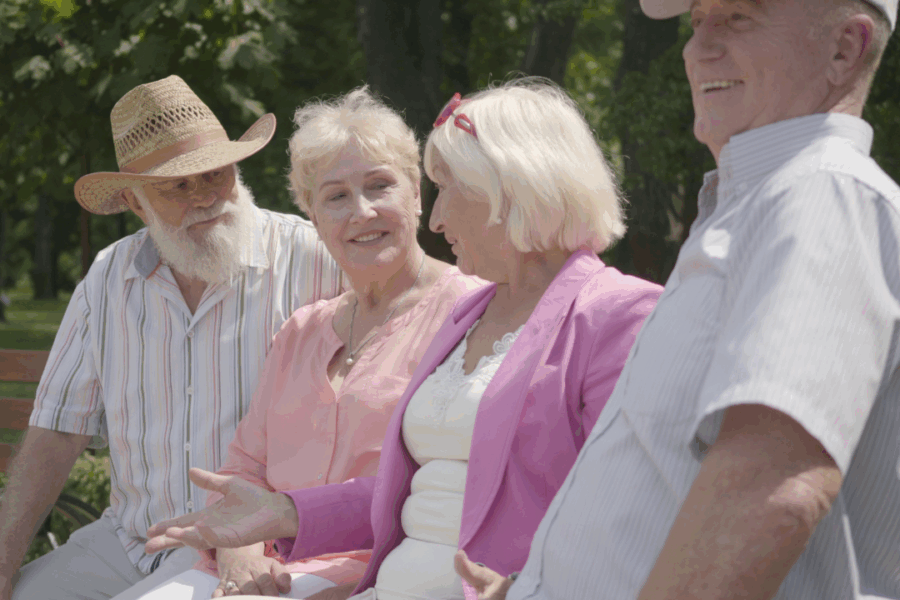
Loneliness is one of the most serious health risks facing retirees, and it is more common than most people realize. When work disappears, so does the built-in social structure that many people relied on for decades without fully appreciating it. Happy retirees are proactive about replacing that structure with intentional relationships. They join clubs, volunteer regularly, attend religious or community gatherings, schedule standing lunches with friends, and make genuine efforts to stay involved in the lives of family members. Retirement communities that foster natural daily interaction, like Sooner Station in Oklahoma, are increasingly recognized for the role that thoughtfully designed social environments play in long-term resident happiness and health. The research is clear: people with strong social ties live longer, recover from illness faster, and report far greater overall satisfaction with their lives.
They Keep Their Minds Engaged and Curious
The brain, like the body, benefits enormously from regular use. Retirees who stay mentally sharp tend to be those who never stopped being curious. They read widely, take classes, learn new languages, pick up instruments, do puzzles, follow current events, and seek out conversations that challenge their thinking. Many discover passions in retirement that they never had time to explore during their working years, whether that means painting, woodworking, writing memoirs, or mastering a new technology. The specific activity matters far less than the underlying attitude of openness and willingness to keep growing. A mind that stays curious tends to stay healthy, and a healthy mind makes every other aspect of retirement richer and more enjoyable.
They Have a Sense of Purpose Beyond Leisure
One of the most consistent findings in retirement research is that leisure alone does not make people happy. In fact, retirees who fill their days exclusively with passive entertainment, television, cruises, and casual hobbies, often report feeling surprisingly empty after the initial novelty wears off. What genuinely happy retirees share is a sense of purpose: a reason to get up in the morning that feels meaningful and connected to something larger than themselves. For many, this comes through volunteering. For others it is mentoring younger professionals, caring for grandchildren, serving on a nonprofit board, or pursuing creative work that they share with an audience. Purpose does not need to be grand or dramatic. It simply needs to feel real.
They Manage Their Finances with Calm and Clarity
Financial anxiety is one of the most reliable predictors of unhappiness in retirement, which makes financial clarity one of the most reliable predictors of happiness. Thriving retirees are not necessarily the wealthiest ones. They are the ones who have a clear picture of their income, expenses, and long-term plan, and who have made peace with what they have. They tend to live within their means without feeling deprived, find joy in experiences rather than possessions, and approach money as a tool for living well rather than a source of constant worry. Working with a trusted financial advisor early in retirement, or even before it begins, can make an enormous difference in the peace of mind that follows.
Conclusion
Retirement at its best is not simply the absence of work. It is the presence of purpose, connection, movement, curiosity, and peace. The retirees who thrive are those who approach this new chapter with the same intentionality they once brought to building their careers. Good habits do not retire when you do. If anything, they matter more than ever.