How Digital Tools Are Expanding the Boundaries of Fine Art
For centuries, fine art meant paint, canvas, marble, and bronze. Those materials still matter, but a new set of tools has joined them: tablets, software, code, scanners, and screens. Digital technology hasn’t replaced traditional practice so much as it has widened the playing field, giving artists new ways to create, share, and sell their work. Some people worry that digital tools cheapen the craft, while others see a thrilling new frontier. Here’s a closer look at how these tools are changing what fine art can be.
Digital Painting and Drawing Come of Age
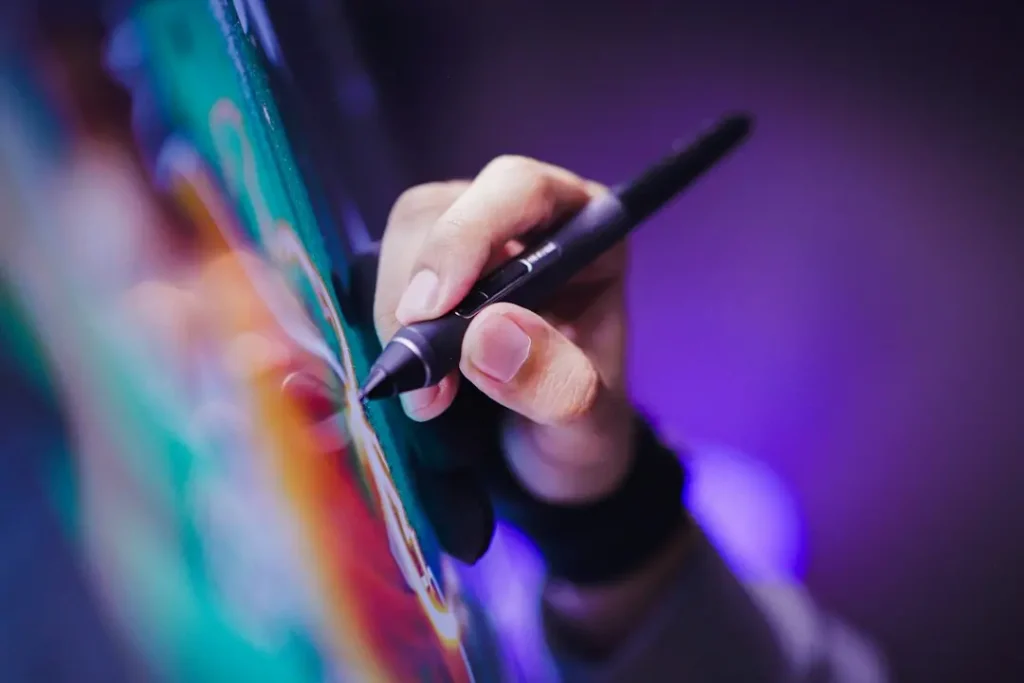
Drawing tablets and illustration software now offer brushes that mimic oil, watercolor, charcoal, and ink with impressive realism. Artists can undo mistakes, experiment with layers, and test color palettes in seconds, which lowers the risk of trying something bold. Many painters use digital sketches to plan a composition before moving to canvas, while others create finished pieces entirely on screen. The work can be printed on archival materials or displayed digitally, giving artists flexibility in how it reaches an audience. Far from erasing skill, these tools reward the same fundamentals: composition, color sense, and a good eye.
Photography and Post-Processing as Creative Craft
Modern cameras and editing software have turned photography into a deeply expressive medium. Photographers adjust light, color, and texture with precision, blend exposures, and refine details to match a personal vision. The result is a growing market for fine art photographs that are carefully printed, edited, and presented with the same intention once reserved for paintings. Large-format printing and high-quality papers allow these images to hold their own on gallery walls. The line between capturing a scene and interpreting it has become wonderfully blurry, and many collectors appreciate that creative process.
Code, Generative Art, and Artificial Intelligence
Some artists now write code as their primary medium, creating generative pieces that evolve through algorithms and randomness. Others collaborate with artificial intelligence tools to produce images, explore variations, or spark ideas. These approaches raise lively debates about authorship, originality, and the role of the artist’s intent. Is the creator the person who designs the system, the person who guides it, or both? Whatever your view, these tools are pushing artists to ask fresh questions about what makes a work meaningful. Many practitioners treat AI as an assistant or a sketchbook, not a replacement for human vision.
Immersive and Interactive Experiences
Projection mapping, virtual reality, augmented reality, and interactive installations let viewers step inside artwork rather than simply look at it. A gallery wall might respond to movement, a sculpture might change with sound, and a virtual space might exist only through a headset. These experiences invite participation and can make art more accessible to people who might feel intimidated by traditional galleries. They also challenge curators and collectors to think about preservation, since technology ages quickly. Still, the sense of wonder they create is hard to match.
New Ways to Share, Sell, and Preserve Art
The internet has transformed how artists find audiences. Social media, online galleries, and virtual exhibitions let creators reach collectors worldwide without relying solely on a local scene. Digital certificates, high-resolution archives, and 3D scanning also help document and protect works. At the same time, artists must navigate questions about copyright, reproduction, and authenticity in an era when images copy easily. Building a clear body of work, being transparent about process, and offering limited editions can help preserve value and trust.
Final Thoughts
Digital tools haven’t ended traditional art. They have enlarged it, adding new mediums, new audiences, and new questions about creativity itself. The most compelling work often blends old and new, pairing timeless skills with fresh technology. Whether you create, collect, or simply enjoy looking, it’s an exciting time to watch the boundaries of art keep stretching.