The Hidden Damage Homeowners Often Overlook
Owning a home comes with an endless list of responsibilities, and most homeowners stay on top of the obvious ones. They repaint peeling walls, fix leaky faucets, and swap out worn-out shingles without a second thought. But some of the most serious problems lurking inside a home never make it onto a weekend to-do list. Hidden damage can quietly compromise the safety, comfort, and value of a property for years before anyone notices. Knowing what to look for, and where to look, can save homeowners from some very costly surprises down the road.
What Hides Behind Your Walls
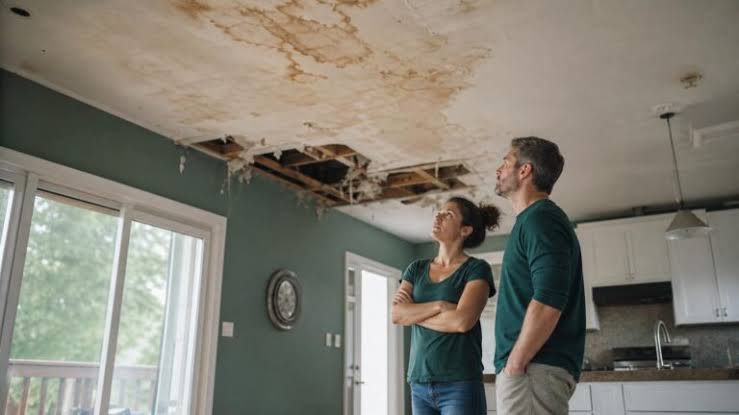
Moisture intrusion is one of the most common culprits behind hidden home damage, and it rarely announces itself. Water that seeps in through small cracks, gaps around windows, or poorly sealed plumbing connections can travel far from its original entry point before causing any visible staining or warping. By the time a homeowner notices a soft spot in the drywall or a persistent musty smell in a room, moisture may have already encouraged mold growth deep within the wall cavity. Mold not only damages building materials but can also pose real health risks to occupants, particularly those with respiratory conditions. Catching moisture problems early through routine inspections and a watchful eye can prevent damage from ever reaching that stage.
The Silent Threat Beneath Your Feet
Crawl spaces and basements are out of sight and, for most people, out of mind entirely. But they happen to be prime locations for serious structural issues to quietly develop. Poor drainage, inadequate ventilation, and shifting soil can all contribute to conditions that weaken a home’s foundation over time. Homeowners might notice subtle clues like doors that suddenly stick, floors that feel uneven, or hairline cracks forming near windows and door frames. These symptoms are easy to write off as normal settling, but they can point to something far more serious happening below the surface. Periodic inspections of these lower levels remain one of the simplest and smartest ways to catch problems before they escalate.
Roof Damage That Goes Undetected
A roof does not have to be visibly caved in to be failing in a significant way. Damaged flashing around chimneys and vents, cracked underlayment, and deteriorating sealants around skylights can all go unnoticed for years while quietly allowing water to work its way into the home. Attic spaces are particularly useful for detecting early roof issues, since staining on rafters or insulation often appears long before any ceiling leak becomes visible in the living areas below. Homeowners who only glance at their roofs from the ground after major storms are likely missing quite a bit of important information.
Foundation Issues and Structural Repair
One of the most serious categories of hidden home damage involves the foundation and the structural systems that support the entire building. Settling soil, tree root intrusion, water damage, and shifting ground can all compromise a home’s foundation without producing dramatic warning signs at first. Cracks in foundation walls, bowing basement walls, or unexpected gaps between walls and ceilings are all worth taking seriously rather than ignoring. Homeowners who spot these warning signs should consult professionals who offer structural repair services from Trotter Company to properly assess the extent of the problem and recommend the right solutions. Addressing these concerns early is almost always far less disruptive and expensive than waiting until a foundation issue reaches a critical point.
Electrical and Plumbing Hazards in Older Homes
Older homes carry a unique set of hidden risks tied directly to aging infrastructure. Outdated wiring systems, corroded pipes, and deteriorating junction boxes may function well enough on a day-to-day basis while still representing serious fire and water damage hazards. Aluminum wiring, which was common in homes built during the 1960s and 1970s, can become a fire risk over time due to its tendency to loosen at connection points. Galvanized steel pipes face a similar problem, corroding from the inside out, reducing water pressure, and eventually leading to leaks hidden within walls. Homeowners purchasing or living in older properties should strongly consider having a licensed electrician and plumber evaluate these systems as a straightforward precaution.
Conclusion
Hidden home damage is not a rare problem reserved for neglected or run-down properties. It can develop in well-maintained homes simply because certain areas are difficult to monitor without deliberate, consistent effort. Regular professional inspections, attentiveness to subtle warning signs, and a proactive mindset are the most effective defenses any homeowner can have against damage that grows silently over time. Investing a small amount of time and money in early detection will almost always cost far less than dealing with a problem that has been quietly worsening for years.