What Makes Electric Bicycles so Accessible?
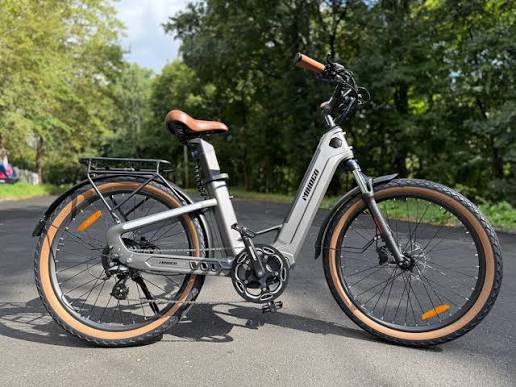
Electric bicycles have quietly transformed the way people think about getting from point A to point B. Not long ago, e-bikes were considered a novelty, something for tech-forward early adopters or cycling hobbyists with deep pockets. Today, they are a mainstream mobility solution embraced by daily commuters, weekend riders, retirees, and everyone in between. That shift did not happen by chance. A combination of clever engineering, falling prices, and growing awareness around sustainable travel has turned the electric bicycle into one of the most genuinely accessible forms of personal transport out there.
The Pedal-Assist Advantage
Perhaps the single biggest reason e-bikes resonate with such a broad audience comes down to pedal-assist technology. Unlike a conventional bicycle that demands every bit of effort from the rider, an e-bike uses an electric motor to supplement that effort, softening the physical demand in a meaningful way. Steep hills become manageable. Longer commutes stop feeling like athletic events. For people who have avoided cycling due to age, joint pain, or varying fitness levels, this technology genuinely changes what is possible. The ability to adjust the level of assistance also means that seasoned cyclists and complete beginners can enjoy the same route in entirely different ways, which is a rare kind of flexibility.
Affordable Entry Points Across the Market
The cost of getting into an electric bicycle has dropped substantially over the past few years, which has opened the door for a much wider pool of buyers. Entry-level models now compete favorably with the monthly cost of a transit pass or the ongoing expenses tied to car ownership when viewed over time. On top of that, many states and cities have rolled out rebate programs and incentives specifically designed to reduce the upfront investment for new riders. Retailers have followed suit with flexible financing, making it easier to spread payments across installments that actually fit a budget. Whether someone is shopping for a no-frills commuter or a high-performance ride, the market has something to offer at nearly every price point.
Low Maintenance Compared to Motor Vehicles
One of the quieter advantages of electric bicycle ownership is just how little upkeep they actually require. There are no oil changes to schedule, no complex engine components to worry about, and no transmission repairs lurking around the corner. Day-to-day maintenance typically comes down to straightforward tasks like keeping tires inflated, adjusting brakes as needed, and taking reasonable care of the battery. Most of this can be handled without any professional help, which matters a great deal for first-time owners who are still getting comfortable with the mechanics. Over time, those savings stack up and make ownership considerably more sustainable from a financial standpoint.
Practical Urban Mobility for All Ages
Cities around the country have been steadily investing in cycling infrastructure, and e-bike riders are among the biggest beneficiaries. Dedicated bike lanes, secure parking areas, and increasingly available charging points have made urban commuting by e-bike far more practical than it was even five years ago. Riders can sidestep traffic jams, cut down commute times, and completely skip the nightmare of finding parking in a congested downtown. Older adults who had drifted away from cycling are coming back to it, finding that the motor takes just enough pressure off their joints to make riding enjoyable again. Younger riders, meanwhile, appreciate having an independent, affordable way to get around without needing a license or a car.
Choosing the Right Electric Ride for Your Lifestyle
With so many options on the market, finding the right fit really comes down to thinking honestly about how and where the bike will actually be used. Terrain, commute distance, storage limitations, and riding comfort all play a role in narrowing down the choices. Someone who needs to navigate tight city streets and store their ride in a small apartment may gravitate toward a compact folding model, while a rider covering longer daily distances will likely prioritize battery range above everything else. For urban commuters also deciding what electric scooter to buy alongside an e-bike, weighing portability and range against actual daily route demands can help build a well-rounded mobility setup. Test rides, detailed online reviews, and side-by-side comparison guides are all worth consulting before making a final decision. A little research upfront goes a long way toward satisfaction down the road.
Conclusion
Electric bicycles have cemented their place as one of the most accessible and practical transportation options available right now. The barriers that once made them feel out of reach, whether cost, physical demand, or limited infrastructure, have been steadily coming down. Whether someone is navigating a busy city commute, enjoying a leisurely trail ride, or simply looking for a smarter way to travel, an e-bike makes a genuinely compelling case for nearly every kind of rider.