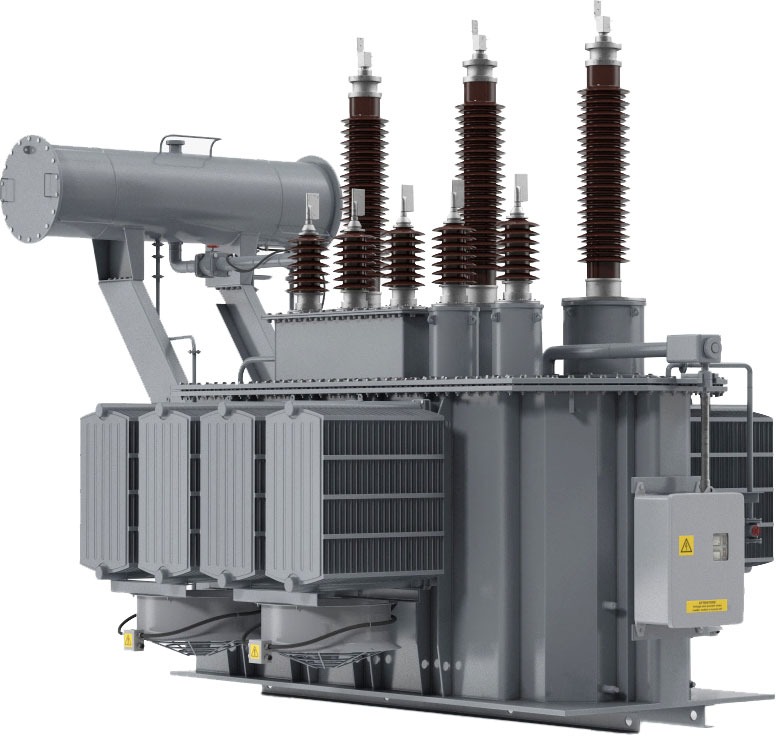
In the rapidly evolving energy landscape, modern power infrastructure requires reliable, efficient, and safe electrical distribution solutions. Compact Gas Insulated Switchgear (GIS) has emerged as a transformative technology for substations, industrial facilities, and commercial networks. By combining high reliability, minimal space requirements, and advanced safety features, GIS offers an ideal solution for urban power networks and high-demand applications.
Unlike conventional air-insulated switchgear, GIS encapsulates all live components within a sealed gas-filled enclosure, typically using sulfur hexafluoride (SF6) as an insulating medium. This design reduces the physical footprint, enhances operational safety, and minimizes maintenance requirements, making it especially suitable for dense urban areas and critical infrastructure.
This article explores the components, design considerations, benefits, safety features, installation practices, and operational strategies of compact gas-insulated switchgear solutions, emphasizing their role in modern power infrastructure.
Understanding Compact Gas Insulated Switchgear
What is Gas Insulated Switchgear?
Gas Insulated Switchgear (GIS) is an assembly of electrical devices, including circuit breakers, disconnectors, current and voltage transformers, and busbars, all encapsulated within a sealed enclosure filled with insulating gas. The gas prevents electrical arcs and allows the equipment to operate safely at high voltages.
GIS is widely used in medium and high-voltage applications ranging from 72 kV to 800 kV, and it is particularly advantageous in situations where space is limited or environmental conditions are challenging.
Importance in Modern Power Infrastructure
GIS solutions offer several advantages for contemporary power networks:
- Space Efficiency: Compact design allows installation in areas with limited space.
- Enhanced Safety: Sealed enclosures minimize the risk of electrical hazards.
- Operational Reliability: Provides high uptime due to low maintenance requirements.
- Environmental Protection: Reduced exposure to dust, moisture, and pollution enhances equipment lifespan.
- Scalability: Modular design enables easy expansion and integration into complex power systems.
Key Components of Compact GIS
Gas-Insulated Circuit Breakers
Circuit breakers in GIS systems are designed to interrupt high-voltage currents safely within the gas-insulated enclosure. SF6 gas provides excellent arc-quenching properties, enabling efficient fault isolation and minimal wear on components.
Disconnectors and Earthing Switches
Disconnectors and earthing switches provide safe isolation of circuits for maintenance and emergency situations. In GIS systems, these devices are fully enclosed and insulated with gas, reducing the risk of accidental contact or arcing.
Gas-Insulated Busbars
Busbars are the conductive paths that distribute power within the switchgear assembly. In GIS, busbars are housed inside the gas-filled enclosure, ensuring reliable current conduction while reducing the risk of faults.
Instrument Transformers
Current transformers (CTs) and voltage transformers (VTs) in GIS measure electrical parameters such as current, voltage, and power flow. Their encapsulation within the gas enclosure ensures high accuracy and operational safety.
Control and Monitoring Systems
Modern GIS incorporates advanced monitoring systems that provide real-time data on gas pressure, temperature, voltage, current, and insulation integrity. Digital interfaces allow operators to implement predictive maintenance, monitor performance remotely, and respond to anomalies proactively.
Design Considerations for Compact GIS
Space Optimization
One of the primary advantages of compact GIS is its minimal footprint. Design engineers must carefully plan the layout to maximize space efficiency without compromising safety or accessibility for maintenance.
Load Capacity and Scalability
Proper assessment of current and future electrical loads is critical. GIS solutions are modular, allowing expansion or modification as network demands increase. Accurate load calculations ensure optimal operation and reduce the risk of overloading.
Environmental Protection
GIS is ideal for environments with high humidity, dust, pollution, or corrosive conditions. The sealed gas enclosure prevents contaminants from affecting live components, enhancing equipment reliability and longevity.
Compliance with International Standards
GIS must meet standards such as IEC 62271 or ANSI C37 for safety, performance, and reliability. Compliance ensures protection for personnel, equipment, and the surrounding environment.
Safety Features of Compact GIS
Arc Flash and Electrical Fault Protection
SF6 gas provides excellent arc-quenching properties, minimizing the risk of arc flash incidents. The fully enclosed design ensures that electrical faults do not pose a hazard to personnel or nearby equipment.
Grounding and Earthing Systems
GIS includes earthing switches and proper grounding mechanisms to ensure fault currents are safely diverted to the ground. This reduces the risk of electric shock and enhances system stability.
Sealed Enclosures
All live components in GIS are encapsulated within the gas-filled enclosure, preventing accidental contact and protecting against environmental hazards such as dust, moisture, and corrosion.
Monitoring and Alarms
Advanced GIS systems feature sensors and alarms that detect abnormal gas pressure, temperature fluctuations, or electrical anomalies. These proactive alerts enable operators to address issues before they escalate into critical failures.
Installation Best Practices
Site Assessment and Preparation
Selecting a suitable installation site is essential for GIS. The area should accommodate the compact design while providing safe access for operation, inspection, and maintenance. Environmental conditions should be assessed to ensure optimal performance.
Proper Mounting and Alignment
GIS modules must be mounted securely on stable surfaces. Accurate alignment is critical to ensure smooth operation of circuit breakers, disconnectors, and other components.
Electrical Connections
All electrical connections must follow manufacturer specifications and approved wiring diagrams. Correct tightening of terminals prevents loose connections and ensures optimal conductivity.
Testing and Commissioning
Before energizing GIS, thorough testing must be conducted, including:
- Insulation resistance testing
- Functional testing of breakers and relays
- Verification of monitoring and control systems
- Gas tightness checks
Testing ensures that the switchgear operates safely and reliably from the start.
Operational Best Practices
Routine Inspection
Regular visual inspection and monitoring of gas pressure, temperature, and electrical parameters are essential for safe operation. Early detection of anomalies reduces the risk of system failure.
Preventive Maintenance
Scheduled maintenance includes checking gas integrity, cleaning components, tightening connections, and calibrating monitoring devices. Preventive maintenance minimizes downtime and extends the life of the switchgear.
Load Management and Optimization
Monitoring electrical loads ensures balanced distribution, prevents overloading, and improves energy efficiency. Real-time data allows operators to make informed decisions and optimize system performance.
Emergency Procedures
Operators should be trained to respond to alarms, isolate faulty circuits, and follow emergency protocols. Proper training ensures minimal disruption and enhances safety during electrical faults.
Benefits of Compact GIS Solutions
Space Efficiency
GIS requires significantly less space than conventional air-insulated switchgear, making it ideal for urban substations, rooftop installations, and space-constrained facilities.
Enhanced Safety
The fully enclosed design and advanced protective features reduce the risk of electrical hazards, arc flashes, and accidental contact.
Operational Reliability
Minimal maintenance requirements, high fault tolerance, and monitoring systems contribute to uninterrupted power distribution.
Environmental Protection
GIS performs well under harsh environmental conditions, including high humidity, dust, and pollution.
Scalability and Flexibility
Modular design allows easy expansion and integration into existing power networks without significant modifications.
Conclusion
Compact Gas Insulated Switchgear (GIS) offers a modern, reliable, and space-efficient solution for power distribution in industrial, commercial, and utility networks. By combining safety, operational reliability, minimal maintenance, and advanced monitoring capabilities, GIS ensures consistent and secure electrical system management.
Well-designed and properly maintained GIS systems not only protect infrastructure and personnel but also enable efficient energy management, scalability, and long-term operational excellence.
For professional advice and solutions tailored to your modern power infrastructure,
Contact Us today to consult with our experts and receive customized support for your compact GIS installations and electrical system management.


